
The first price declines in years in the housing market
After years of continuous growth, the Polish real estate market is experiencing its first significant price decline in a long time. This unexpected change is leading many investors and potential homebuyers to question the common belief that property values can only move in one direction – up.
Let's take a look at what's happening and what it could mean for the future.
The end of ever-rising prices?
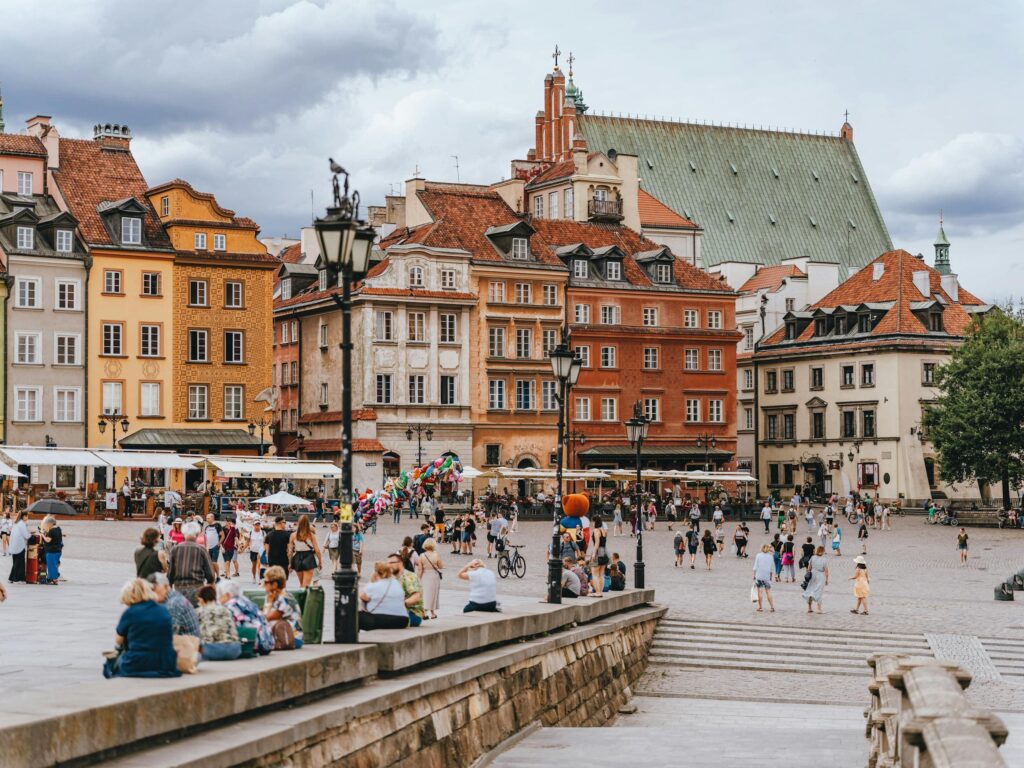
For years, Polish homebuyers and investors have been convinced that real estate prices will continue their upward trajectory indefinitely. This belief fueled massive investment in the housing market. However, the last quarter of 2024 brought a surprising development: real estate prices in large cities began to fall, and Warsaw recorded an impressive 6% decline in just three months.
The growing gap between bid and transaction prices
One of the most telling indicators of market change is the widening gap between asking prices and actual transaction values. Developers often list properties at inflated prices, but actual transactions take place at much lower rates. The secondary market shows an 11% difference between bid and sell prices, while the primary market shows a 6% difference – clear evidence of a cooling market.
Imbalance between supply and demand
The current market situation reflects a fundamental change in the dynamics of supply and demand:
- The number of available properties has increased by 55% since 2021
- New housing investments skyrocketed by 114% in 2024
- However, actual sales only increased by 3% over the same period
- Housing availability in Poland's largest cities has increased by 60% in just one year
These figures paint a clear picture: supply far outstrips demand, creating downward pressure on prices.
Government programmes: short-term impetus, long-term consequences
The scheme “Safe Credit 2%” temporarily stimulated the market by making mortgages more accessible. However, this program only seems to accelerate future demand rather than create new demand. Now that this future demand has been “taken advantage of”, the market is experiencing a natural correction.
The rental market is also cooling
The rental market, long considered a safe haven for real estate investors, is also showing signs of weakening. Rental rates in major cities have fallen by between 1 and 14%, significantly reducing the profitability of rental property investments and potentially discouraging further speculation in the market.

Demographic challenges
Perhaps the most worrying long-term factor is Poland's demographic prospects:
- The country's population is decreasing
- The fertility rate is just 1.29 (as of 2022), one of the lowest in the European Union
- Fewer people ultimately means reduced demand for housing
These demographic trends suggest that the current market correction may not be merely cyclical, but potentially the beginning of a new long-term reality.
International precedents
A look abroad provides sobering examples of what prolonged real estate market corrections might look like. Italy and China show that property values can indeed decline for longer periods. In China, some regions are seeing annual price declines of up to 10% – challenging the belief that real estate always appreciates over time.
Changing Preferences: The Suburbanization Trend
Another factor shaping the market is the growing preference for suburban life. More and more Poles are choosing single-family homes in suburban areas over apartments in city centers, potentially creating an oversupply in city centers while increasing demand in peripheral areas.
What it means for buyers, sellers and investors
For potential buyers, this market shift creates opportunities that haven't existed for years – more choice, more negotiating power, and potentially better value.
For sellers and current homeowners, this means adjusting expectations and potentially accepting that properties may not sell at prices seen just a few months ago.
For investors, this requires a reassessment of investment strategies that have been based on continuous value growth. Rental returns and actual cash flow may become more important than speculative profits.
Looking ahead
While it is too early to announce a long-term reversal in the Polish real estate market, current data suggests we are witnessing more than just a temporary correction. The combination of oversupply, demographic challenges and changing consumer preferences indicates a fundamental shift in market dynamics.
Smart investors and homebuyers will be watching these trends closely, understanding that the real estate landscape in the next decade may look very different from what we have become accustomed to in recent years.